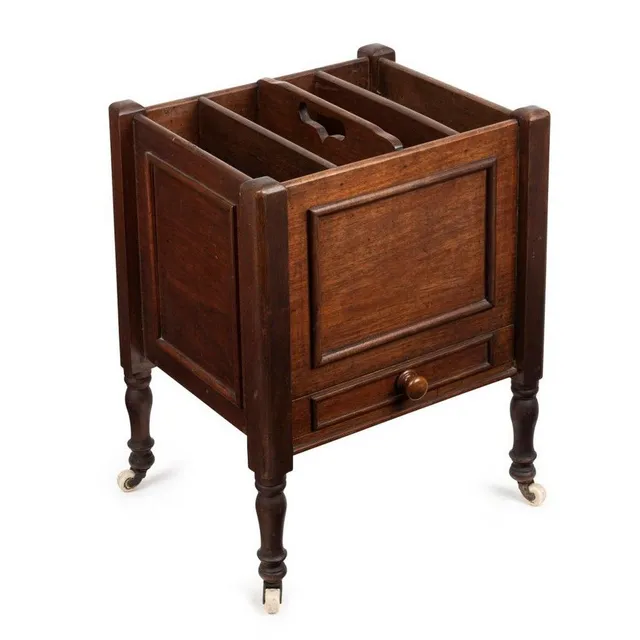
Colonial Australian Canterbury: Blackwood with Tasmanian Pine, circa 1860
A Colonial Australian canterbury, blackwood with red pine and kauri pine secondaries, Tasmanian origin, circa 1860, 57 cm high, 43 cm wide, 35 cm deep
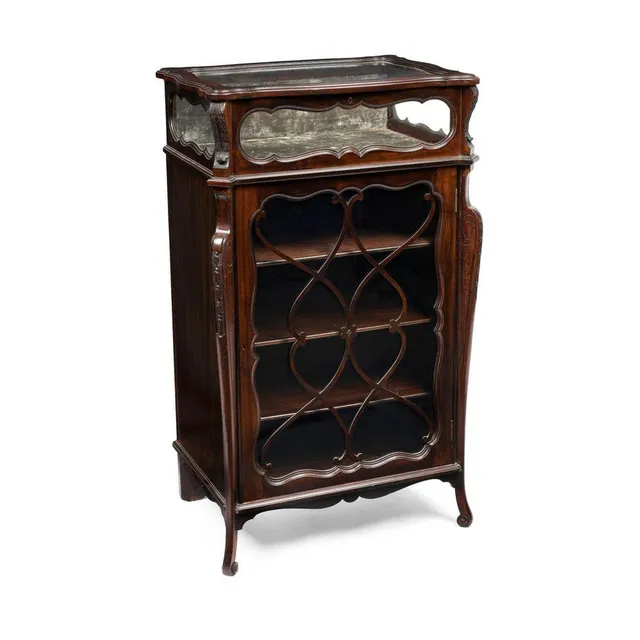
Edwardian Mahogany Bijouterie and Music Cabinet
An Edwardian mahogany finished bijouterie and music cabinet, circa 1910, with cartouche shaped glazed panels to the upper section and curvaceous glazing bars to the lower register with hipped and carved corners above petite feet, 105 cm high, 60 cm wide,…
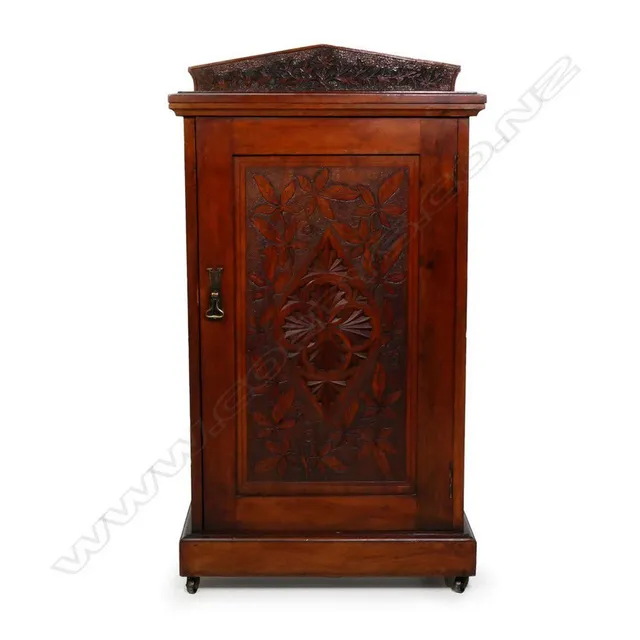
Kauri Carved Music Cabinet with Intricate Floral Design
An early New Zealand kauri chipped carved music cabinet, the exterior extensively carved with floral and geometric decoration. 54.5 x 33 x 101 cm.
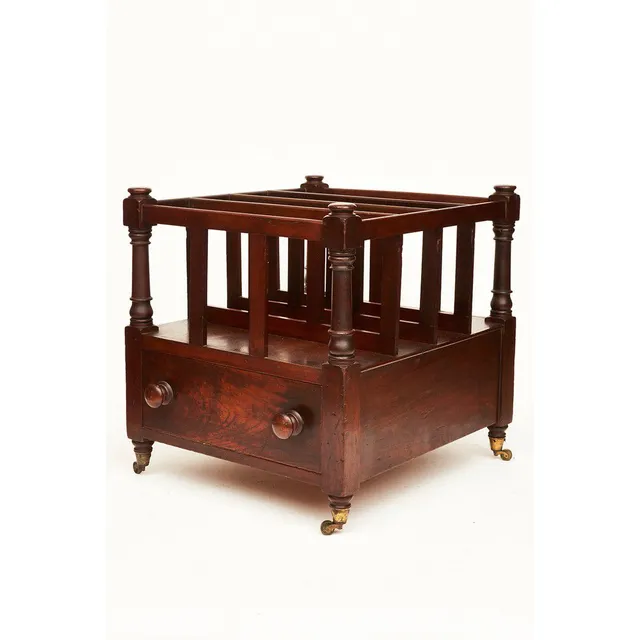
Tasmanian Cedar Canterbury, c. 1845
Australian Colonial cedar canterbury, Tasmanian origin, c. 1845, with four sections, and one single drawer, on brass castors, one castor restored, height 56 cm width 53 cm depth 54 cm. Provenance: The collection of Robert Hutchinson, Sydney, labels:…
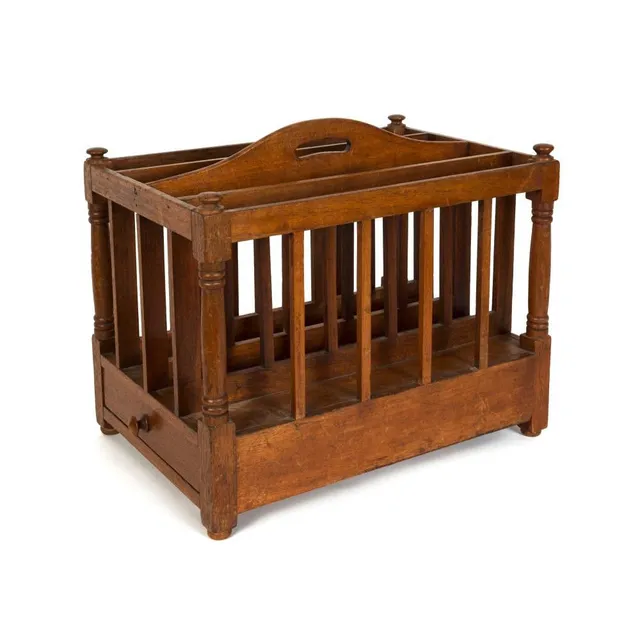
Colonial Cedar Canterbury with Drawer, 1840s Tasmanian Origin
A Colonial Australian cedar canterbury with drawer to base, Tasmanian origin, circa 1840s, 44 cm high, 48 cm wide, 33 cm deep
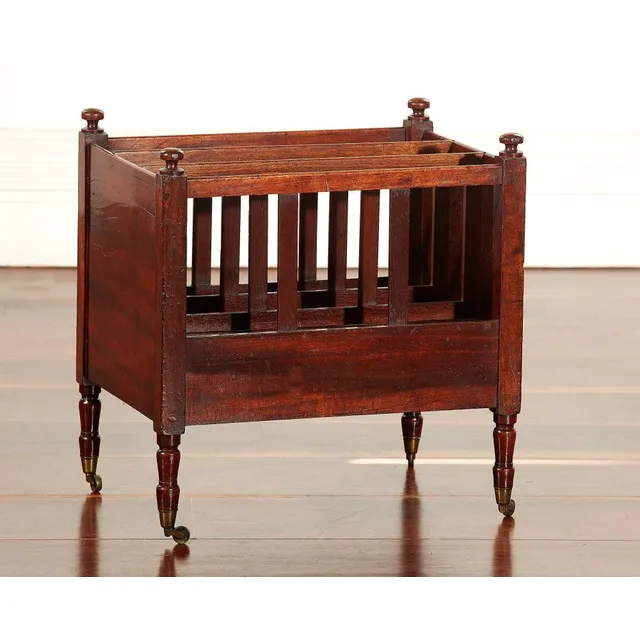
Colonial Cedar Music Canter, 1840
A colonial cedar music canterbury, circa 1840, 50 cm high, 49 cm wide, 36 cm deep. Provenance: The Ruth Simon collection, 2005
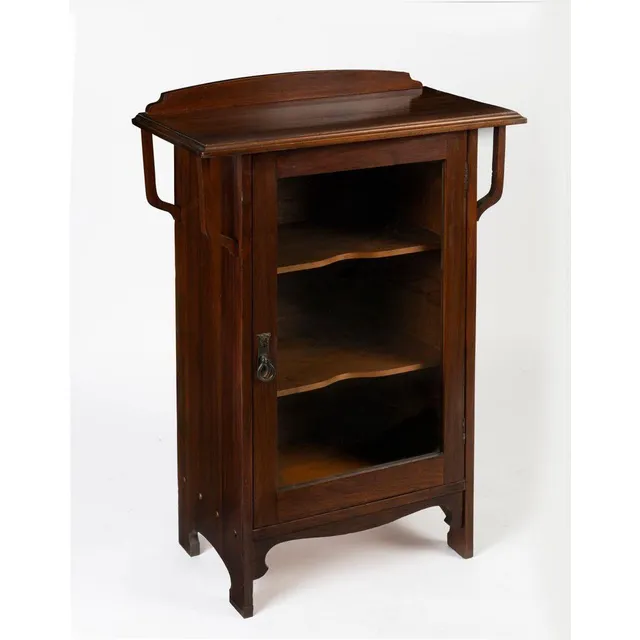
Australian Arts & Crafts Walnut Music Cabinet
An Australian Arts & Crafts music cabinet, walnut and glass, early 20th century, 97 cm high, 70 cm wide, 36 cm deep
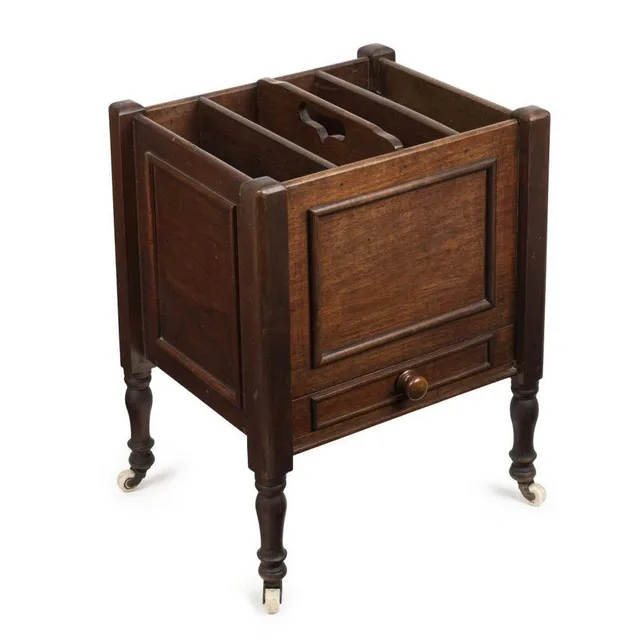
Colonial Canterbury with Tasmanian Blackwood and Pine
A Colonial Canterbury, blackwood with red pine and kauri pine secondaries, Tasmanian origin, circa 1860, 57 cm high, 43 cm wide, 35 cm deep
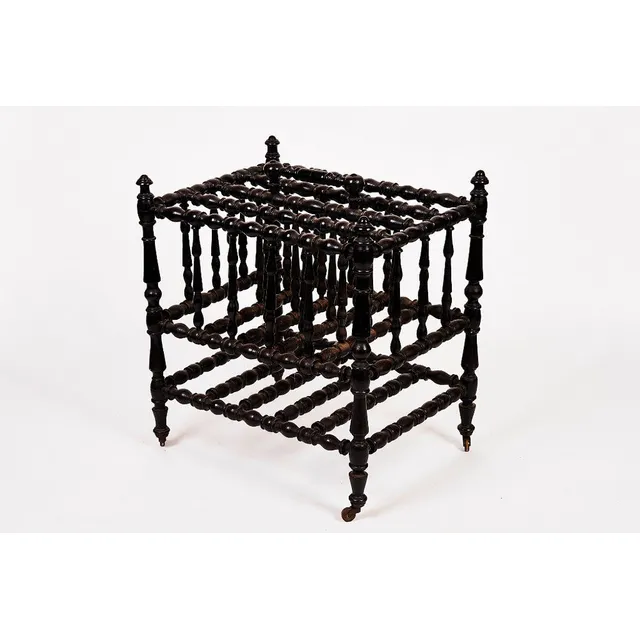
19th Century Ebonised Canterbury from Webb Collection
Ebonised bobbin turned canterbury, 19th century, height 50 cm width 44 cm depth 36 cm. Provenance: The Collection of Janet and Graeme Webb, Wollogorang, NSW
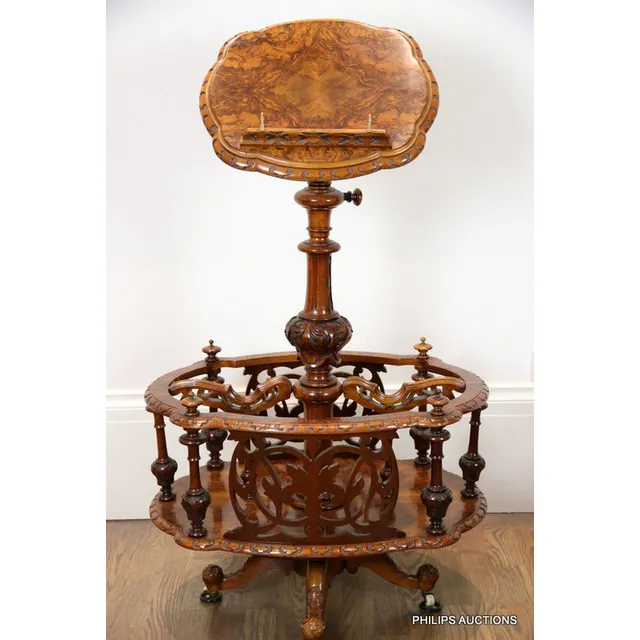
Victorian Burr Walnut Revolving Music Canterbury and Stand
A Victorian burr walnut revolving music canterbury and stand, circa 1860s, purchased from acorn Antiques, Melbourne, a highly decorative canterbury in beautifully figured burr timbers featuring a small adjustable shaped table which converts to a music…
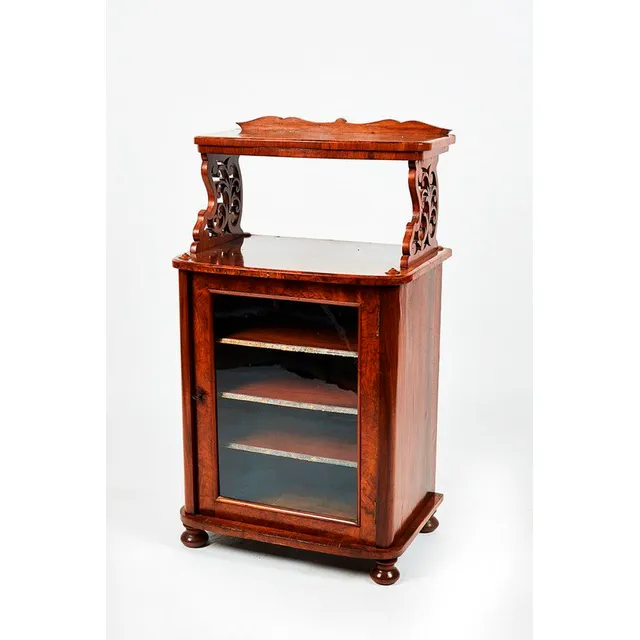
Victorian Burr Wood Music Cabinet with Carved Supports
Victorian burr wood music cabinet, open shelf on carved and pierced supports above a single glass door enclosing three shelves, height 96 cm. Provenance: The Estate of the late Janis Salisbury, Sydney
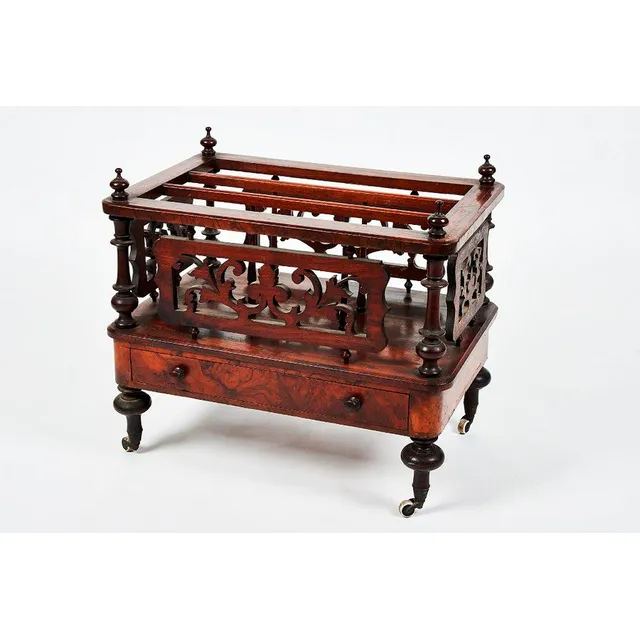
Victorian Burr Wood Canterbury with Drawer and Pierced Panels
Victorian burr wood canterbury, with pierced panels, slatted partitions and a drawer below, height 48 cm. Provenance: The Estate of the late Janis Salisbury, Sydney
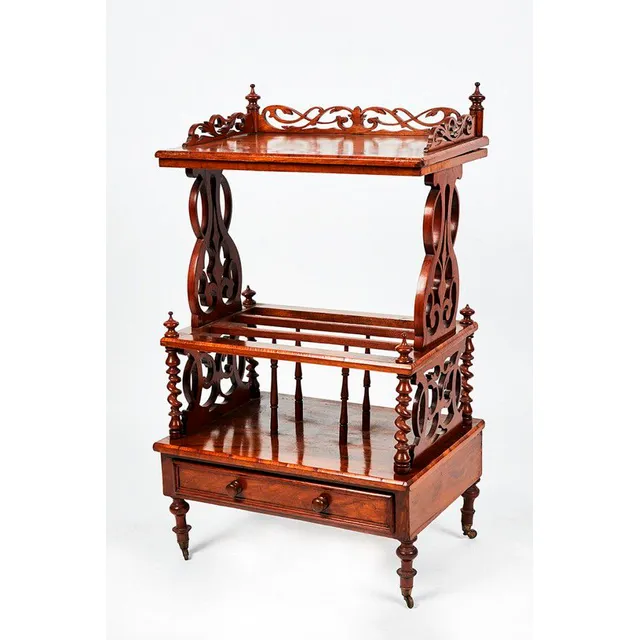
Victorian Burr Wood Music Canterbury
Victorian burr wood music canterbury, the rectangular top with pierced gallery and ornate side supports, with slatted partitions and a drawer below (A/F), height 90 cm. Provenance: The Estate of the late Janis Salisbury, Sydney
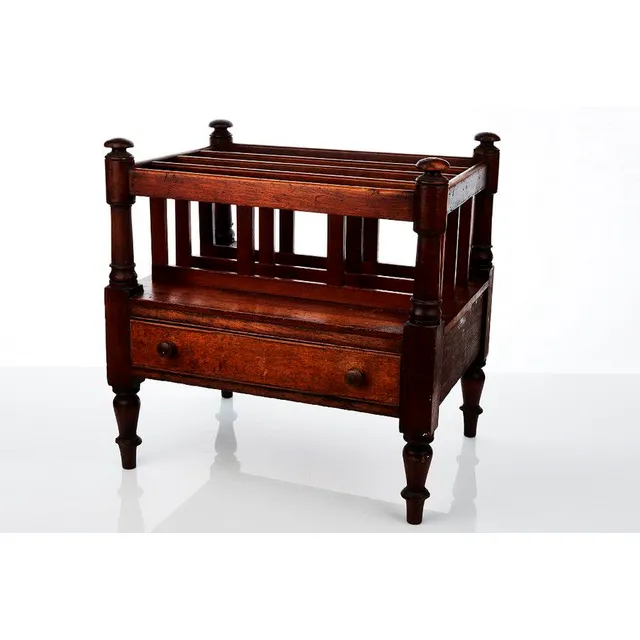
19th Century Australian Cedar Canterbury with Drawer
Australian cedar canterbury, 19th century, with slatted partitions and a drawer below, height 51 cm. Provenance: Private Collection, Sydney
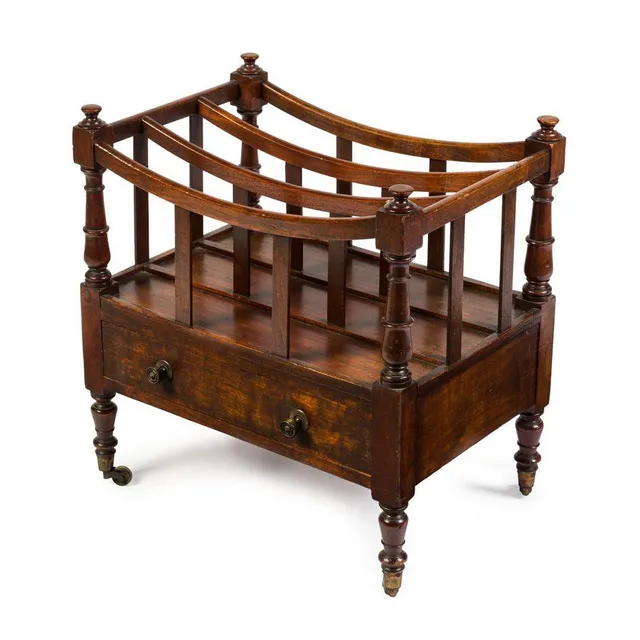
Mid 19th Century Australian Cedar Canterbury
An Australian cedar Canterbury, Tasmanian origin, mid 19th century, full cedar secondary timbers and original early brass castors and knobs, 59 cm high, 56 cm wide, 38 cm deep
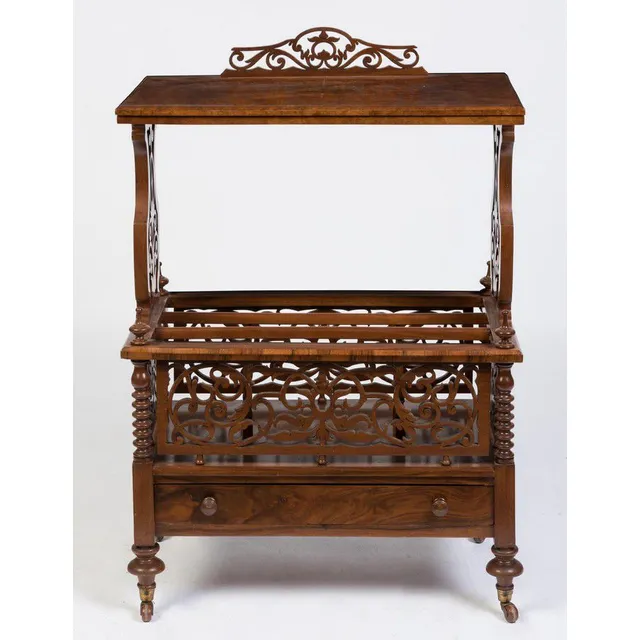
19th Century Walnut Music Canterbury
A walnut music Canterbury, English, 19th century, 87 cm high, 66 cm wide, 40 cm deep. Provenance: The Collection of Sir Leon and Lady Trout, Christies, Brisbane, 6 June 1989, lot 790, Private collection, Queensland
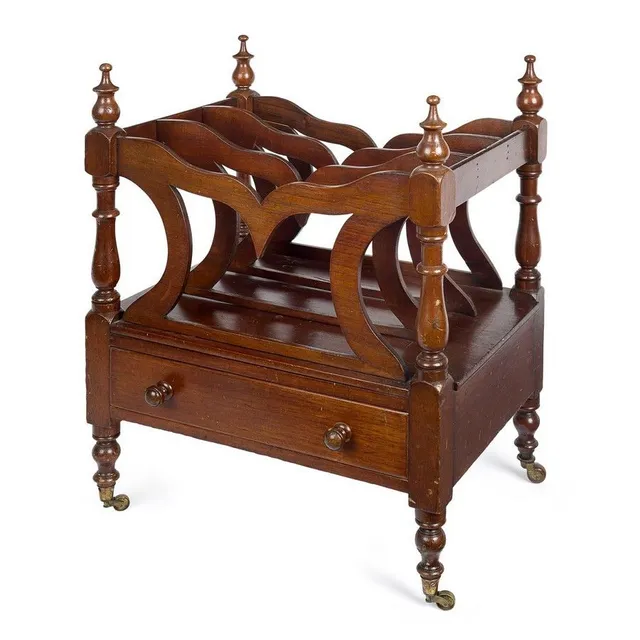
Antique Australian Cedar Canterbury Music Stand
A music Canterbury, Australian red cedar, circa 1860, 62 cm high, 39 cm wide, 35 cm deep
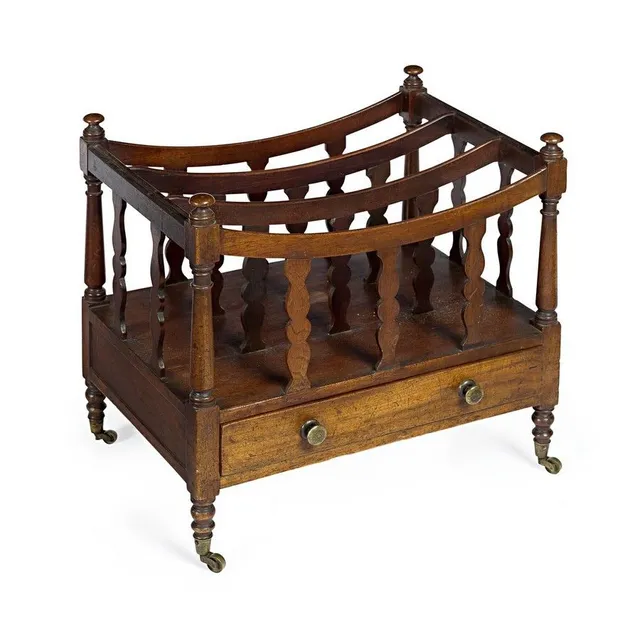
1850 Tasmanian Colonial Cedar Canterbury with Provenance Note
A Colonial cedar canterbury, Tasmanian origin, circa 1850, with hand written provenance note in drawer, Came through the Broughton family, Davey St (Hobart) to eldest daughter Ellen May Woodhouse deceased, originally we are sure it came from the York…
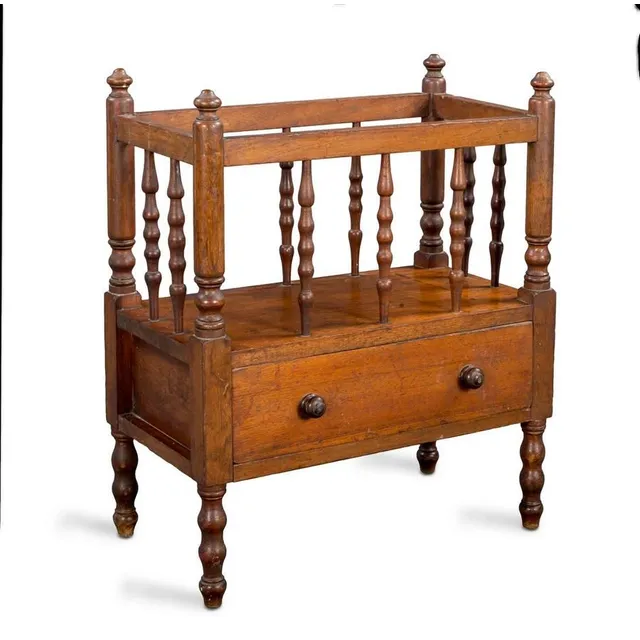
Antique Australian Cedar Music Canterbury, 1840
A small cedar music canterbury, Australian, circa 1840, 60 cm high, 49 cm wide, 29 cm deep
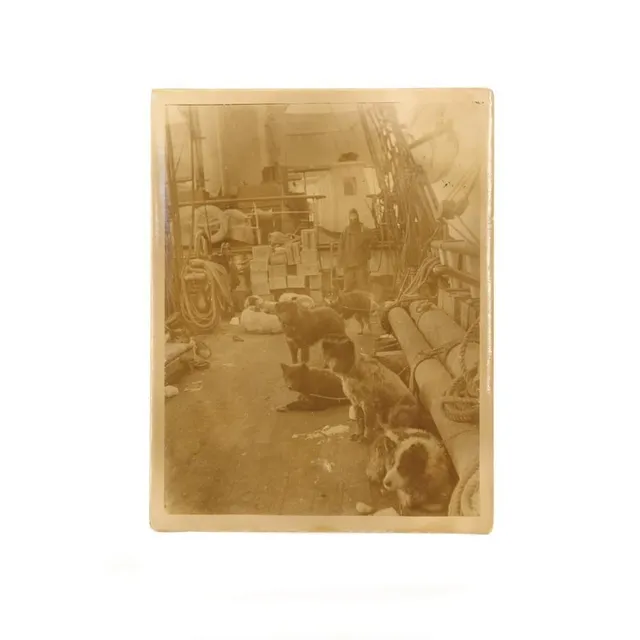
Vintage Photographs from Terra Nova Expedition (1910-1913)
Nine vintage photographs taken on the Terra Nova Expedition (1910-1913) by E. McKenzie, McKenzie was the leading stoker on the expedition ship Terra Nova, the images include the ship trapped in ice, his name engraved to the plate, a figure on skis with…
 Loading more...