The fifty-three stations of the tokaido, Utagawa Hiroshige,…
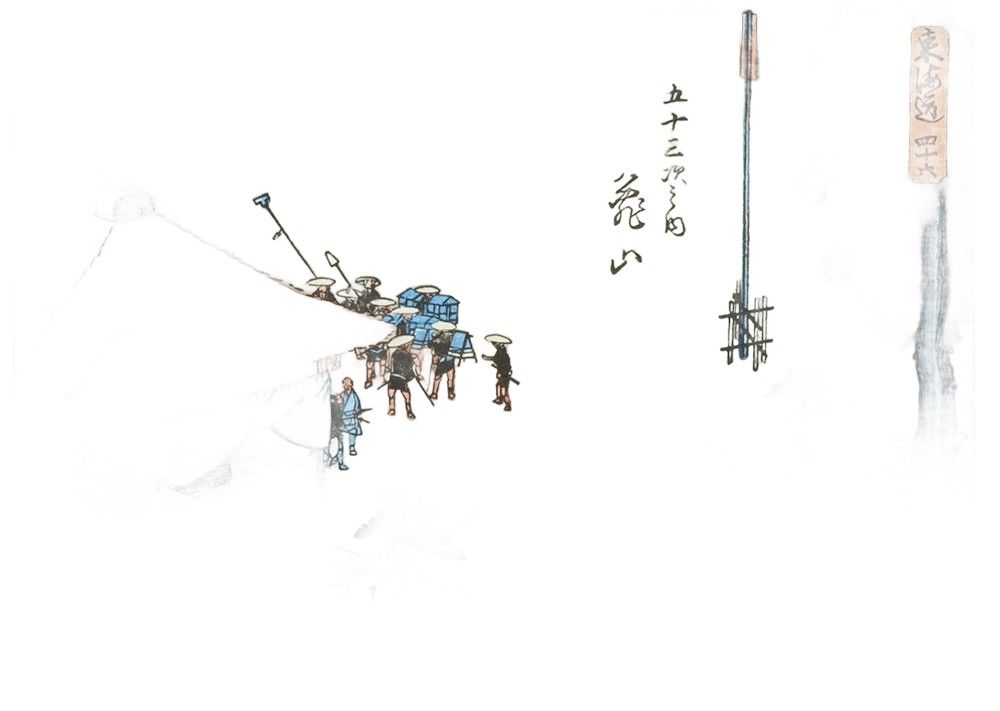
click the photo to enlarge


The fifty-three stations of the tokaido, Utagawa Hiroshige, Widely regarded as one of the masterpieces of Japanese woodblock printing, the Fifty-three stations of the Tokaido captures the beauty, culture, and spirit of Edo-period Japan. This iconic series, first published in the early 1830s, chronicles the journey along the historic Tokaido road, ?the vital route connecting Edo (modern Tokyo) to Kyoto. Each of the fifty-five prints (including the departure at Nihonbashi and arrival in Kyoto) illustrates a specific station along the route, blending landscape, daily life, and seasonal nuances with poetic elegance, 39 x 52 cm (frame)
You must be a subscriber, and be logged in to view price and dealer details.
Subscribe Now to view actual auction price for this item
When you subscribe, you have the option of setting the currency in which to display prices to $Au, $US, $NZ or Stg.
This item has been sold, and the description, image and price are for reference purposes only.
- Edo Period, Japan - The Edo period in Japan lasted from 1603 to 1868. During this time, Japan was ruled by the Tokugawa shogunate, a military government led by the Tokugawa family. The Edo period is characterized by a period of relative peace, stability, and economic growth, as well as by the development of a distinctive culture and society.
During the Edo period, the capital of Japan was moved from Kyoto to Edo (modern-day Tokyo), and the country became increasingly isolated from the rest of the world. The shogunate implemented strict policies to maintain control, including the restriction of foreign trade and travel. However, despite this isolation, the Edo period saw significant cultural and artistic development, including the emergence of the ukiyo-e woodblock print tradition, the growth of Kabuki theater, and the flourishing of a vibrant merchant culture.
The Edo period ended with the Meiji Restoration of 1868, which saw the collapse of the shogunate and the restoration of imperial rule.
This item has been included into following indexes: